BMW vs Mercedes-Benz in India 2026 — The Ultimate Luxury Car Comparison
BMW vs Mercedes-Benz in India 2026 — The Ultimate Luxury Car Comparison
Two German giants. Two completely different philosophies. One decision that defines not just how you drive — but who you are as a car owner.
The BMW versus Mercedes-Benz debate is as old as the luxury car segment itself in India. Both brands represent the absolute pinnacle of German engineering. Both are status symbols that command respect on Indian roads. Both justify their premium pricing with extraordinary build quality, cutting-edge technology, and ownership experiences that no mainstream car can replicate.
But they are fundamentally different machines built around fundamentally different priorities.
BMW emphasises performance and handling finesse, while Mercedes highlights comfort, refinement, and interior luxury. Identifying which is best depends on personal priorities related to driving comfort, long-term use, and maintenance expectations. CarTrade
This guide gives you the complete honest picture — so you can walk into a showroom knowing exactly which brand suits your life.
The Core Philosophy — Two Different Worlds
Before specifications, features, or prices — understand what each brand fundamentally believes a luxury car should be.
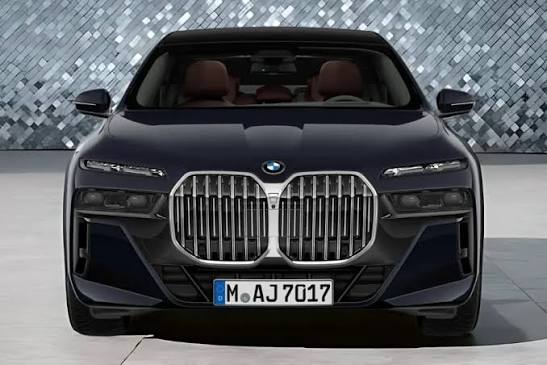
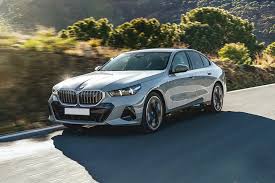
BMW — The Ultimate Driving Machine: BMW appeals to those who enjoy spirited driving and sporty aesthetics. In India, BMW has carved out a niche among young professionals and driving enthusiasts who value agility, responsiveness, and a driver-centric design. CarDekho
BMW’s engineering philosophy centres on the driver. Every decision — from engine tuning to suspension setup to steering feel — is made with the person behind the wheel as the priority. The famous near-50:50 weight distribution across many BMW models is not a marketing claim — it is the result of deliberate engineering choices that make BMWs feel more balanced and responsive than most competitors.
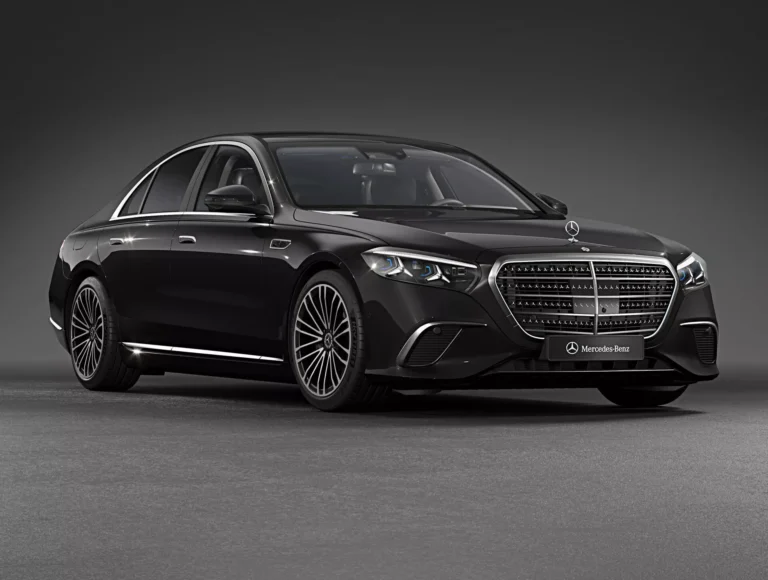
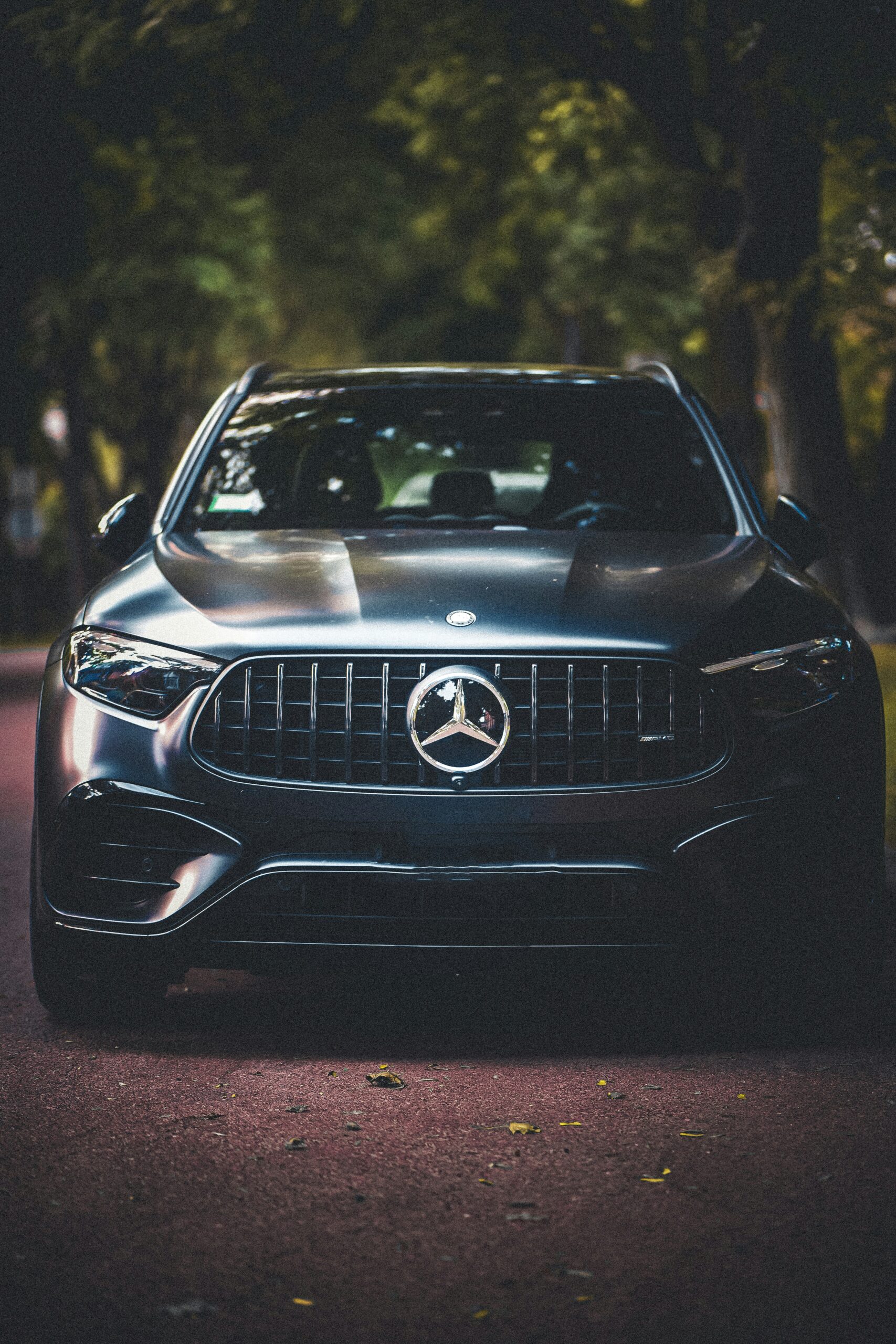
Mercedes-Benz — The Best or Nothing: Mercedes-Benz suits individuals prioritising luxury, comfort, and a relaxed riding profile. In India, Mercedes-Benz enjoys a strong legacy and emotional appeal — it is the go-to choice for those who prioritise comfort, prestige, and a commanding road presence. CarDekho
Mercedes-Benz’s engineering philosophy centres on the passenger — both driver and occupants. The cabin is a sanctuary from the outside world. The ride absorbs imperfections with aristocratic composure. The technology serves comfort rather than performance. A Mercedes is not just a car — it is a statement of having arrived.
Price — Comparable Entry Points, Different Peaks
Both brands offer entry-level luxury cars starting in the ₹40 to ₹50 lakh range in India, with flagship models extending to ₹2 crore and beyond.
BMW India 2026 price range:
- BMW 2 Series Gran Coupe: ₹43.00 lakh onwards
- BMW 3 Series: ₹46.50 lakh onwards
- BMW X1: ₹45.90 lakh onwards
- BMW 5 Series: ₹68.90 lakh onwards
- BMW X5: ₹96.90 lakh onwards
- BMW 7 Series: ₹1.72 crore onwards
Mercedes-Benz India 2026 price range:
- Mercedes A-Class Limousine: ₹45.40 lakh onwards
- Mercedes C-Class: ₹57.00 lakh onwards
- Mercedes GLA: ₹47.90 lakh onwards
- Mercedes E-Class: ₹78.50 lakh onwards
- Mercedes GLE: ₹96.40 lakh onwards
- Mercedes S-Class: ₹1.58 crore onwards
BMW’s entry points often sit slightly lower while Mercedes holds stronger resale in chauffeur-driven segments. At equivalent segments, BMW is typically ₹2 to ₹5 lakh cheaper than Mercedes. But the total cost of ownership — including maintenance, insurance, and eventual resale — paints a more complex picture. CarDekho
Performance — BMW’s Strongest Argument
This is where BMW consistently wins and where the brand’s reputation is most justified.
In India, BMW usually outperforms Mercedes-Benz in terms of speed and handling. BMW’s sporty design and fast acceleration make driving fun. Their light engines improve the way the car can manoeuvre in tough places and especially on curvy and difficult roads. CarTrade
BMW’s performance advantage: BMW’s engines are tuned for responsiveness and driver involvement. The throttle response is sharper, the steering has more feedback, and the chassis communicates what the road surface is doing beneath you. In Sport mode a BMW feels alive in a way that most luxury cars — including Mercedes — do not replicate.
The inline-six petrol engines that BMW uses across the 3 Series, 5 Series, and X5 are among the finest combustion engines available at any price globally. Smooth, rev-happy, and delivering power linearly — they make every highway drive a genuinely enjoyable experience.
BMW’s 0 to 100 benchmark figures consistently beat Mercedes equivalents by 0.3 to 0.8 seconds across comparable models. This gap may sound small but is perceptible in real-world driving when overtaking or merging at speed.
Mercedes’s performance: Mercedes engines are powerful but tuned differently — for effortless cruising rather than exciting driving. The power delivery is more linear and relaxed. You accelerate quickly without drama rather than with excitement. This suits the Mercedes character perfectly — a powerful engine that does its job without shouting about it.
The AMG performance sub-brand closes the gap significantly — AMG models from Mercedes match and sometimes exceed BMW M models. But at equivalent non-performance variants, BMW drives more engagingly.
Comfort and Luxury — Mercedes’s Strongest Argument
Mercedes generally offers a more comfortable ride on Indian roads due to softer suspension tuning and better noise insulation. CarDekho
This is the single most important consideration for most Indian luxury car buyers — and Mercedes wins it decisively.
Mercedes’s comfort advantage: The Mercedes suspension is tuned for maximum isolation from road imperfections. On Indian roads — which combine smooth expressways with sudden potholes, speed breakers, and broken tarmac — this tuning philosophy is particularly relevant. A Mercedes floats over road imperfections with a composure that makes passengers feel genuinely cocooned.
Mercedes is positioned as a car for passengers. These cars show their best side in organising internal comfort. They are ideal for long trips. CarDekho
The rear seat of a Mercedes — particularly the E-Class and S-Class — is a genuinely special place. The leather quality, the adjustability, the ambient lighting, the massage functions on higher variants — it is a first-class airline experience at road level. The Maybach variants take this to near-absurd levels of luxury.
Cabin insulation from wind and road noise in Mercedes models is consistently better than equivalent BMW models. Highway cruising in a Mercedes E-Class or S-Class at 120 kmph is genuinely whisper-quiet — a sensory experience that BMW’s sportier-tuned cabins cannot fully replicate.
BMW’s comfort: BMW comfort is not poor — it is excellent by any mainstream car standard. But BMW prioritises body control over cushioning. The suspension is firmer, particularly in Sport mode. You feel the road more — which is desirable for driving pleasure but means more NVH (Noise, Vibration, Harshness) reaching the cabin on rough Indian surfaces.
Interior Quality and Technology — A Close Battle
Both brands offer extraordinary interior quality in 2026 — but with different character.
BMW iDrive: BMW’s iDrive infotainment system is one of the most intuitive and comprehensive in the luxury segment. The curved display combining instrument cluster and infotainment screen looks genuinely spectacular. The interface is fast, logical, and does not require a learning period. Voice control has improved dramatically.
Mercedes MBUX: Mercedes’s MBUX (Mercedes-Benz User Experience) system is arguably the most advanced infotainment technology available in any production car. The “Hey Mercedes” voice assistant understands natural language commands comprehensively. The augmented reality navigation is genuinely useful — it overlays navigation arrows on a live camera feed of the road ahead.
Mercedes’s MBUX system excels in voice recognition capabilities. Park+
Interior materials: Both brands use premium materials throughout. Mercedes edges ahead on soft-touch surface coverage and the overall quality feel of interior materials — particularly leather quality and the finish of wood and metal trims. BMW’s interiors are more driver-focused with a cockpit-like layout that puts the driver first; Mercedes interiors feel more like a luxury lounge.
Safety — Both Exceptional, Mercedes More Advanced on Flagship Models
Both brands carry comprehensive safety equipment as standard — multiple airbags, ABS, ESC, blind spot monitoring, autonomous emergency braking, and lane keep assist across most variants.
Both brands are equally safe, but Mercedes has more advanced ADAS systems like DRIVE PILOT in its flagship models. CarDekho
Mercedes’s DRIVE PILOT system — available on the S-Class — is one of the most advanced driver assistance systems available in production cars globally. It is certified for conditional autonomous driving at up to 60 kmph in specific conditions. BMW’s equivalent systems are excellent but have not yet reached this level.
For standard variants below flagship level, safety equipment is comparable between the two brands.
Reliability — BMW Leads on Latest Data
BMW is the most reliable of the three German luxury brands by both J.D. Power’s 2025 Initial Quality Study and Consumer Reports’ 2026 Brand Report Card. Mercedes-Benz finishes second on J.D. Power and last on Consumer Reports. Park+
This is a significant finding that challenges the conventional wisdom about German luxury car reliability. BMW’s reliability advantage is particularly pronounced over longer ownership periods — buyers who keep their cars beyond 5 years consistently report fewer unscheduled repair incidents with BMW than Mercedes.
Mercedes does well early and fades. If you lease a Mercedes for three years and hand it back, you will get one of the better cars in the segment. If you buy and keep it for five or seven years, you are looking at the lowest-ranked European brand in the survey. Park+
For Indian buyers: If you plan to keep the car for 3 to 4 years and then trade up — Mercedes’s early reliability is excellent. If you plan to own the car for 5 years or more — BMW’s long-term reliability data gives it an advantage.
Maintenance Costs — BMW Slightly Higher
BMW maintenance can be slightly costlier due to imported parts and wear-and-tear components like brakes and suspension bushings. CarDekho
Annual maintenance costs in India for comparable models typically run:
- BMW 3 Series: ₹40,000 to ₹80,000 per year
- Mercedes C-Class: ₹35,000 to ₹70,000 per year
The difference is not dramatic but is consistent across most comparable segments. BMW’s sportier suspension and brake components — designed for higher stress driving — wear slightly faster and cost more to replace.
Both brands offer service packages that bundle multiple services at fixed costs — worthwhile for buyers who want predictable ownership expenses.
Resale Value — Mercedes Leads Overall
Mercedes-Benz consistently commands the highest resale value in India. The E-Class LWB is the gold standard here — the highest-selling luxury car in the country and often retains 55 to 60 percent of its value after three years. Times Drive
BMW has bridged the gap with Mercedes particularly with its X-series SUVs. A well-maintained BMW 3 Series or X5 holds value remarkably well. Times Drive
The resale value difference is most pronounced in the sedan segment — Mercedes E-Class and S-Class hold value significantly better than BMW 5 Series and 7 Series equivalents. In the SUV segment, BMW X5 versus Mercedes GLE is closer.
For buyers who plan to sell after 3 to 5 years — the Mercedes resale advantage in sedans can represent ₹3 to ₹6 lakh more recovered at sale time. Factor this into your total ownership cost calculation.
Service Network in India
Both brands carry adequate coverage in major cities with authorised service centres staffed by factory-trained technicians. CarDekho
Mercedes-Benz has a slightly wider service network in India — approximately 100-plus touchpoints versus BMW’s strong but slightly smaller network. Both are concentrated in metro and tier-1 cities. For buyers in tier-2 cities, verify the nearest authorised service centre before purchasing either brand.
Model-by-Model — Which to Choose at Each Segment
Entry Luxury Sedan (₹43-50 lakh): BMW 3 Series vs Mercedes C-Class. Choose BMW 3 Series for driving dynamics and slightly lower price. Choose Mercedes C-Class for more premium interior feel and better resale in the long run.
Entry Luxury SUV (₹45-50 lakh): BMW X1 vs Mercedes GLA. The GLA takes a significant lead when considering powertrain configuration. If you want an entry-level luxury SUV for urban environments, you can’t go wrong with the BMW X1. Choose GLA for more power and AWD availability. Choose X1 for more economical running and agile city dynamics. CarDekho
Mid Luxury Sedan (₹68-80 lakh): BMW 5 Series vs Mercedes E-Class. The E-Class is the India luxury car market leader for a reason — rear seat luxury, highway composure, and resale value are unmatched. Choose BMW 5 Series only if you genuinely drive yourself regularly and value the driving experience.
Premium SUV (₹95 lakh+): BMW X5 vs Mercedes GLE. Near-equal propositions at this level. BMW X5 for driving dynamics and slightly better value. Mercedes GLE for more luxurious feel and brand prestige.
The Definitive Guide to Choosing
Choose BMW if: You are a driving enthusiast, prefer a sportier driving experience, and want a car that is engaging to drive on both city roads and highways. If you drive yourself daily and enjoy the act of driving — BMW will reward you every single time. Also choose BMW if long-term reliability over 5-plus years matters more than short-term prestige. CarDekho
Choose Mercedes if: You prioritise comfort, luxury, and a prestigious image — ideal for executive buyers, chauffeur-driven use, and those who appreciate refined interiors and advanced tech. If your car spends significant time being driven by a chauffeur, or if the rear seat experience matters as much as the front — Mercedes is the answer. Also choose Mercedes if resale value is a significant consideration. CarDekho
The Honest Bottom Line
There is no objectively better brand between BMW and Mercedes. There is only the right brand for you.
BMW is for the driver. It makes you feel like a better driver — more confident, more connected, more in control. The driving experience is its defining quality.
Mercedes is for the passenger. It makes everyone in the car feel like royalty — cushioned, cocooned, and cared for. The comfort and prestige experience are its defining qualities.
Know which one you are — and the choice is clear.
Also read: Best Luxury Cars Under ₹50 Lakh in India 2026 and Porsche Cayenne vs BMW X5 Comparison.
External source: BMW India Official