First Time Car Buyer Guide India 2026 — Everything You Need to Know Before Buying Your First Car
First Time Car Buyer Guide India 2026 — Everything You Need to Know Before Buying Your First Car
Buying your first car in India is one of the most exciting financial decisions you will make. It is also one of the most complex. The Indian car market in 2026 offers over 100 models across wildly different price points, fuel types, body styles, and feature sets. Add to that the decisions around financing, insurance, variant selection, and negotiation — and the whole process can feel genuinely overwhelming.
This guide is written specifically for first-time buyers. No jargon. No assumptions about existing knowledge. Just a complete, honest, step-by-step guide to buying your first car in India in 2026 — from figuring out your budget to driving away from the showroom with confidence.
Step 1 — Set a Realistic Total Budget (Not Just the Car Price)
This is where most first-time buyers go wrong. They calculate their budget based on the showroom price — and then get surprised by the real total cost.
The actual costs of buying a car in India:
Ex-showroom price — The base price of the car. This is what manufacturers advertise.
On-road price — What you actually pay. This includes registration charges, road tax (varies by state — typically 8 to 12 percent of ex-showroom price in most states), insurance premium for the first year (typically ₹15,000 to ₹50,000 depending on car value), and TCS (Tax Collected at Source).
For a car with an ex-showroom price of ₹8 lakh, the on-road price in most Indian states will be ₹9.2 lakh to ₹9.8 lakh. Plan for this gap — it is typically ₹1 to ₹2 lakh above ex-showroom.
Accessories — Most buyers spend ₹10,000 to ₹50,000 on seat covers, floor mats, dash cam, and other accessories.
Monthly running costs — Fuel (calculate based on your monthly kilometres and the car’s real-world mileage), insurance renewal (annually), and servicing (typically ₹8,000 to ₹15,000 per year for a petrol car).
The golden rule: Your total on-road price should ideally not exceed 20 times your monthly take-home salary. And your car loan EMI should not exceed 20 to 25 percent of your monthly take-home.
Step 2 — Decide: New Car or Used Car
This is a genuinely important decision that affects your budget, risk profile, and driving experience significantly.
Buy a new car if:
- Budget allows comfortably
- You want the latest safety features and technology
- You want a full manufacturer warranty with no repair surprises in the first 3 years
- You want to choose your exact colour, variant, and accessories
- You are planning to keep the car for 5 or more years
Buy a used car if:
- Budget is tight — a 2 to 3 year old car of the same model costs 25 to 35 percent less
- You want to learn driving on a car where minor scrapes and dings hurt less emotionally
- You want to upgrade to a larger or better car than your new-car budget allows
- You are comfortable doing a thorough inspection and verifying documents
India’s certified used car platforms like Maruti True Value and Mahindra First Choice offer reliable pre-owned options. Always inspect the car’s condition and check service records before purchasing. Teachforhk News
For most first-time buyers who can afford it — a new car is the safer and less stressful choice. The peace of mind from a manufacturer warranty and no hidden surprises is genuinely valuable.
Step 3 — Choose the Right Body Style for Your Life
Your lifestyle dictates the segment. A compact SUV might be perfect for urban families, while a sedan suits highway commuters, and a hatchback remains ideal for first-time city drivers. Stashfin
Hatchback: Best for city driving and parking in tight spaces. Easy to handle for beginners. Excellent fuel efficiency. Good for: first-time drivers, young professionals, city commuters. Examples: Maruti Swift, Hyundai i20, Tata Altroz.
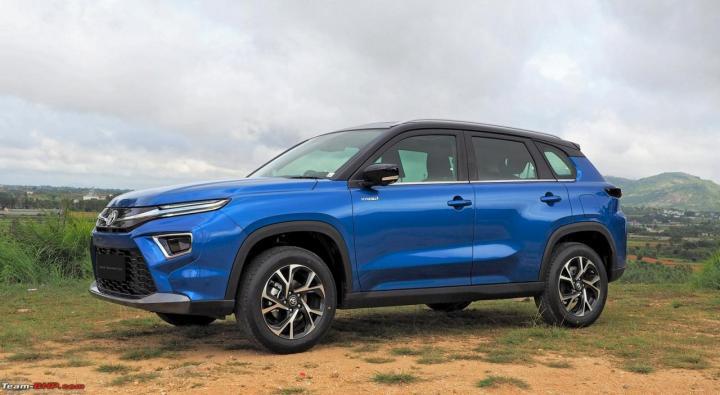
Compact SUV / Micro SUV: Best for a mix of city and occasional highway use. Higher ground clearance for Indian roads. More confident road presence. Good for: families, buyers in smaller cities with rough roads, those who want SUV feel without SUV size. Examples: Tata Punch, Maruti Fronx, Hyundai Exter, Tata Nexon.
Sedan: Best for highway driving and rear passenger comfort. More stable at speed than hatchbacks. Good for: buyers who frequently travel between cities, families needing more rear space. Examples: Maruti Dzire, Honda Amaze, Hyundai Aura.
For a first-time buyer: A hatchback or compact micro-SUV is the most forgiving choice. They are easier to park, easier to judge in traffic, and require less driving confidence initially.
Step 4 — Choose the Right Fuel Type
This decision matters enormously for long-term running costs. Be honest about your actual usage — not your aspirational usage.
Petrol: Best for buyers driving less than 1,500 km per month. Lower maintenance costs, quieter engine, better city driveability. Most first-time buyers should choose petrol.
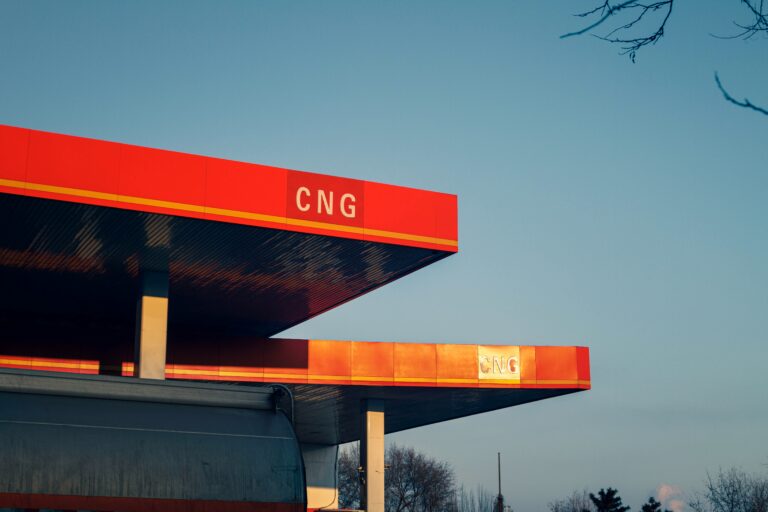
CNG: Best for buyers driving 1,500 km or more monthly in cities with good CNG infrastructure. Running costs of ₹2.50 to ₹3.50 per km versus ₹7 to ₹8 per km for petrol. Higher upfront cost recovered within 18 to 24 months for high-mileage users.
Diesel: Only makes sense for buyers driving 2,000 km or more monthly with significant highway driving. Higher maintenance costs and noisier in cities.
Electric: Best for buyers with home charging facility, short to medium daily commutes, and budget above ₹10 lakh. Zero fuel cost — running costs of ₹1 to ₹1.50 per km at home charging rates.
The simple rule: If you drive less than 1,500 km monthly in a city — petrol. If you drive more than 1,500 km monthly in a CNG-infrastructure city — CNG. If you drive long highway distances regularly — diesel.
Step 5 — Research Your Shortlist Seriously
Once you have a body style and fuel type in mind, research 3 to 4 specific models before visiting any showroom.
What to research:
NCAP Safety Rating: Look up your car’s BNCAP or Global NCAP crash test rating before visiting the dealership. A 5-star rated car with a stable body structure is inherently safer than a 1-star car with 6 airbags. The body shell integrity matters more than airbag count. ICICI Bank
Real-world mileage: Not ARAI certified figures — actual owner-reported mileage from review websites and owner forums like Team-BHP.
Common problems: Search for the model plus “problems” or “issues” on owner forums. Every car has known issues — understand them before buying.
Service cost and network: How many authorised service centres exist in your city? What is the typical annual service cost? Maruti and Hyundai have the best service networks across India.
Resale value: Check what 3-year-old versions of the same car sell for on Cars24 or Spinny. This tells you how well the car holds value — important if you plan to upgrade in 3 to 5 years.
Step 6 — The Test Drive — What to Actually Check
Never buy a car without a test drive. And do not just drive around the dealer’s parking lot — insist on driving on real roads that mirror your actual daily usage.
During the test drive, check:
City driving: How does it handle stop-and-go traffic? Is the clutch travel comfortable? For automatics — are gear changes smooth and responsive?
Visibility: Can you judge the car’s corners easily? Are the rear pillars obstructing your view?
Noise: How much engine noise enters the cabin at city speeds? Does the suspension make noise over speed breakers?
Steering: Is the steering appropriately weighted? Does it feel confident or vague?
Braking: Brake firmly from 40 to 50 kmph in a safe area. Does the car stop in a straight line? Is there any vibration or pulling?
Comfort: After 20 minutes in the driver’s seat, is it comfortable? Does the seat give you good posture support?
Drive on both smooth roads and speed breakers to check suspension quality. Stashfin
Step 7 — Understand Variant Selection
Every car model comes in multiple variants — from base to top spec. Choosing the wrong variant is one of the most common first-time buyer mistakes.
The wrong approach: Buying the cheapest base variant to save money — then regretting the missing features for 5 years.
The right approach: Identify the must-have features for your daily use, then find the lowest variant that includes all of them.
Features most buyers should not compromise on:
- Rear parking camera
- At least 4 airbags (6 preferred)
- ABS with EBD
- Electronic Stability Control
- Touchscreen with Apple CarPlay and Android Auto
Features that are nice but not essential:
- Sunroof
- Ventilated seats
- Wireless charging
- Premium audio system
Choose the variant where all your must-haves are included and then evaluate whether the nice-to-haves in the next variant up justify the price difference.
Step 8 — Negotiate Properly
Differentiating between must-have features and nice-to-have luxuries will narrow down your choices significantly — and give you negotiating leverage. Stashfin
What is negotiable in India:
- Accessories package (seat covers, floor mats, dash cam)
- Extended warranty pricing
- Free service packages (first service, second service)
- Insurance premium (you can choose your own insurer — dealer cannot force their tie-up)
- Exchange bonus if you are selling an old car
What is NOT negotiable:
- Ex-showroom price (set by manufacturer)
- Road tax (set by state government)
- TCS (set by Income Tax rules)
- Third-party insurance premium (fixed by IRDAI)
Negotiation tactics:
- Visit 2 to 3 competing dealers for the same car — use competing offers against each other
- Visit near month-end when dealers are pushing to meet targets — better deals available
- Festive season (Navratri to Diwali) offers the most aggressive discounts and free accessories
- Ask specifically what free accessories or services they can add — even if they cannot reduce the car price
Step 9 — Car Loan — Get Pre-Approved Before Visiting Showroom
Most first-time buyers make their loan arrangements at the dealership — which is convenient but rarely the cheapest option.
The smarter approach:
- Check your CIBIL score first (free on CIBIL website)
- Get a pre-approval letter from your own bank before visiting the dealer
- Use this pre-approval to negotiate — dealers often match or beat bank rates to retain the financing commission
- Compare rates from at least 3 lenders before finalising
Documents needed for a car loan:
- Identity proof (Aadhaar, PAN)
- Address proof
- Last 3 months salary slips (salaried)
- Last 6 months bank statements
- Last 2 years ITR (self-employed)
The EMI rule: Keep your car EMI under 20 to 25 percent of monthly take-home salary for comfortable financial health.
Step 10 — Pre-Delivery Inspection — Do Not Skip This
Before you accept the car and make final payment, inspect it thoroughly.
The golden rule: Complete your Pre-Delivery Inspection first, pay afterwards. Never let a dealer pressure you into signing acceptance documents or making final payment before you have finished your inspection. ICICI Bank
PDI checklist:
- Check all exterior panels for dents, scratches, or paint inconsistencies
- Check all lights — headlights, tail lights, indicators, DRLs — ensure they all work
- Check all windows and sunroof for proper operation
- Check all door locks and central locking
- Check AC cooling
- Check all touchscreen functions — Android Auto, Apple CarPlay, reverse camera
- Check all power windows
- Verify the odometer reading — a new car should show less than 100 km
- Verify the VIN (Vehicle Identification Number) on the dashboard matches the RC and invoice
- Check the spare tyre and tool kit are present
- Check for any warning lights on the instrument cluster
If you find any issue — request rectification before taking delivery. Do not accept delivery of a car with unresolved issues with a verbal promise to fix later.
Step 11 — Documents to Collect at Delivery
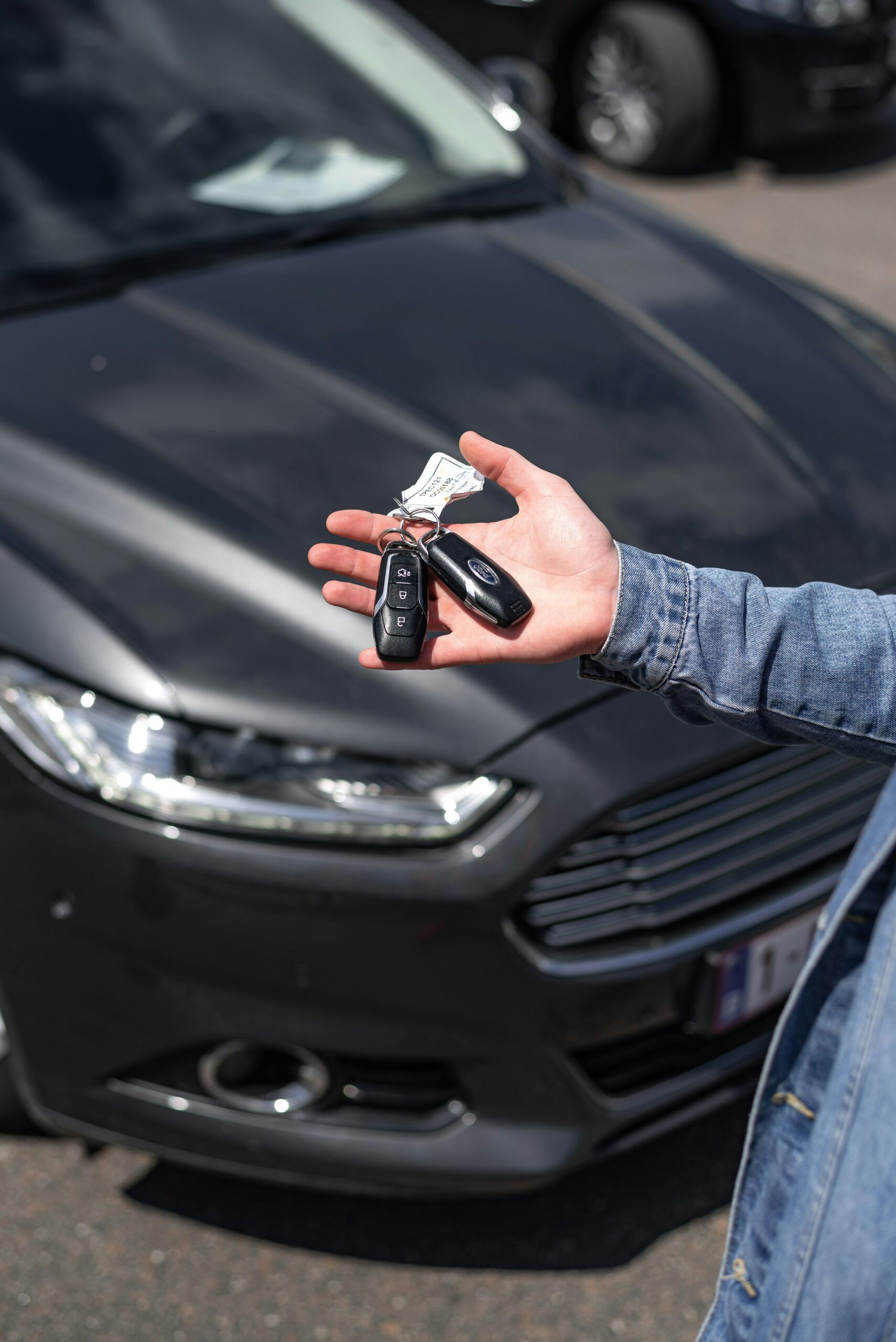
Ensure you receive all of these before leaving the dealership:
- Original RC (Registration Certificate)
- Insurance certificate and policy document
- PUC (Pollution Under Control) certificate
- Owner’s manual and service booklet
- All spare keys (typically 2)
- Service history booklet stamped with delivery date
- Invoice and tax receipt
- Warranty card
Common First-Time Buyer Mistakes to Avoid
Buying on emotions: Falling in love with a car in the showroom and ignoring budget, running costs, or service availability. Test drive multiple cars before deciding.
Ignoring running costs: Many first-time buyers ignore after-sales costs. Always research the service and spare parts cost of the brand you choose. A cheap car with expensive servicing costs more over 5 years than a slightly pricier car with affordable maintenance. BankBazaar
Choosing wrong fuel type for usage: Buying diesel because it sounds economical, then driving only 800 km per month in city traffic — the diesel engine never gets hot enough to self-clean its filter, leading to expensive repairs.
Not taking insurance seriously: Buying the cheapest third-party-only insurance for a new car to save ₹8,000 per year — then spending ₹1.5 lakh out of pocket when the car is damaged in an accident.
Overborrowing: Taking a 7-year loan to buy a car that stretches the budget. The car depreciates while you are still paying interest. Buy within your comfortable means.
The Best First Cars in India 2026
Based on everything this guide covers — safety, ease of driving, low maintenance, good resale value, and all-round practicality — here are the best choices for first-time buyers:
Under ₹7 lakh: Tata Punch AMT — safest car at this price, easiest to park, 5-star NCAP ₹7 to ₹10 lakh: Maruti Baleno AMT — maximum features, lowest maintenance ₹10 to ₹15 lakh: Tata Nexon or Hyundai Venue — best safety plus compact SUV practicality ₹15 to ₹20 lakh: Hyundai Creta — the complete package for a first proper family car
Final Word
Your first car is a milestone — approach it with the same seriousness you would any major life decision. Research thoroughly, test drive multiple options, compare loan offers, understand the insurance, and do not let showroom excitement bypass your rational judgment.
The right first car is the one that fits your actual life — not your aspirational life. Buy what you can comfortably afford, maintain it well, and it will serve you faithfully for years.
Also read: Complete Car Loan Guide India 2026 and Best Cars Under ₹10 Lakh in India 2026.
External source: BNCAP India — Official Safety Ratings