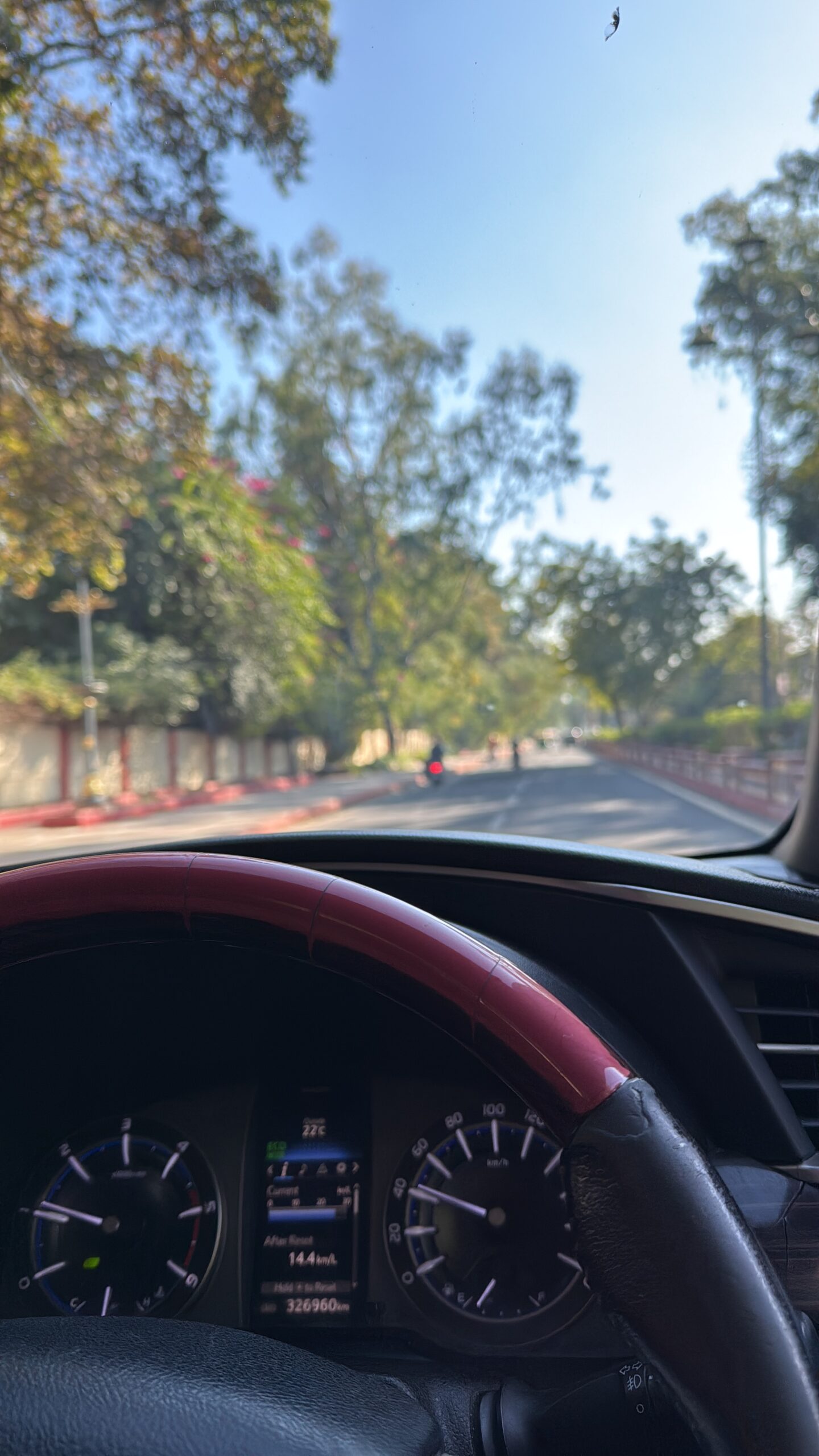
Driving Rajasthan Roads for Years — What Car Actually Works Here
Every automotive website in India will tell you which car has the best ground clearance on paper. They will quote the suspension travel specifications, the approach angles, the departure angles, and the ground clearance figures from the manufacturer’s press release.
None of them will tell you what it actually feels like to drive Kota’s roads at 8 AM when the entire city is moving at once. None of them have navigated the Kota to Udaipur route when the diversions multiply and the road surface disappears entirely in stretches. None of them have driven Rajasthan’s smaller town roads where a smooth stretch can end without warning and become something that tests every component of your car simultaneously.
I have done all of this. For years. In multiple cars. On the same roads, in the same conditions, through the same seasons.
This is what driving Rajasthan actually feels like — and which cars genuinely handle it.
Kota City Roads — The Daily Reality
Let me start with the roads I know most intimately — Kota’s city roads.
Kota is not a small town. It is a significant city with a large student population, heavy traffic during peak hours, and road infrastructure that ranges from genuinely excellent to genuinely challenging depending entirely on which part of the city you are navigating and how recently that particular stretch was last repaired.
The daily reality of driving in Kota involves several specific challenges that most automotive reviews never address.
Speed breakers — Kota has speed breakers in places and at heights that will genuinely test your car’s ground clearance and suspension travel. I have watched cars with lower ground clearance scrape badly on breakers that our family’s higher-riding vehicles clear comfortably. Ground clearance is not an abstract specification in Kota — it is a daily practical requirement.
Dust — Rajasthan’s dust is relentless. It gets into everything. It affects your car’s air filter, your cabin air quality, and the general cleanliness of both interior and exterior faster than anywhere else I have experienced. Cars with good cabin sealing and effective air filtration systems make a genuinely noticeable difference to daily comfort in Kota.
Summer heat — Kota’s summer temperatures regularly cross 45 degrees Celsius. This is not a number — this is a physical reality that affects everything. Your car’s AC system is not a luxury in Kota’s summer. It is survival equipment. I have sat in cars with inadequate AC performance during Kota’s peak summer and it is genuinely miserable in a way that no spec sheet comparison captures.
Traffic density — peak hour traffic in Kota requires a car that is easy to manoeuvre, has good visibility, and gives the driver confidence in tight spaces. Smaller, lighter cars have a genuine advantage here over larger vehicles that require more space and more effort to place accurately.
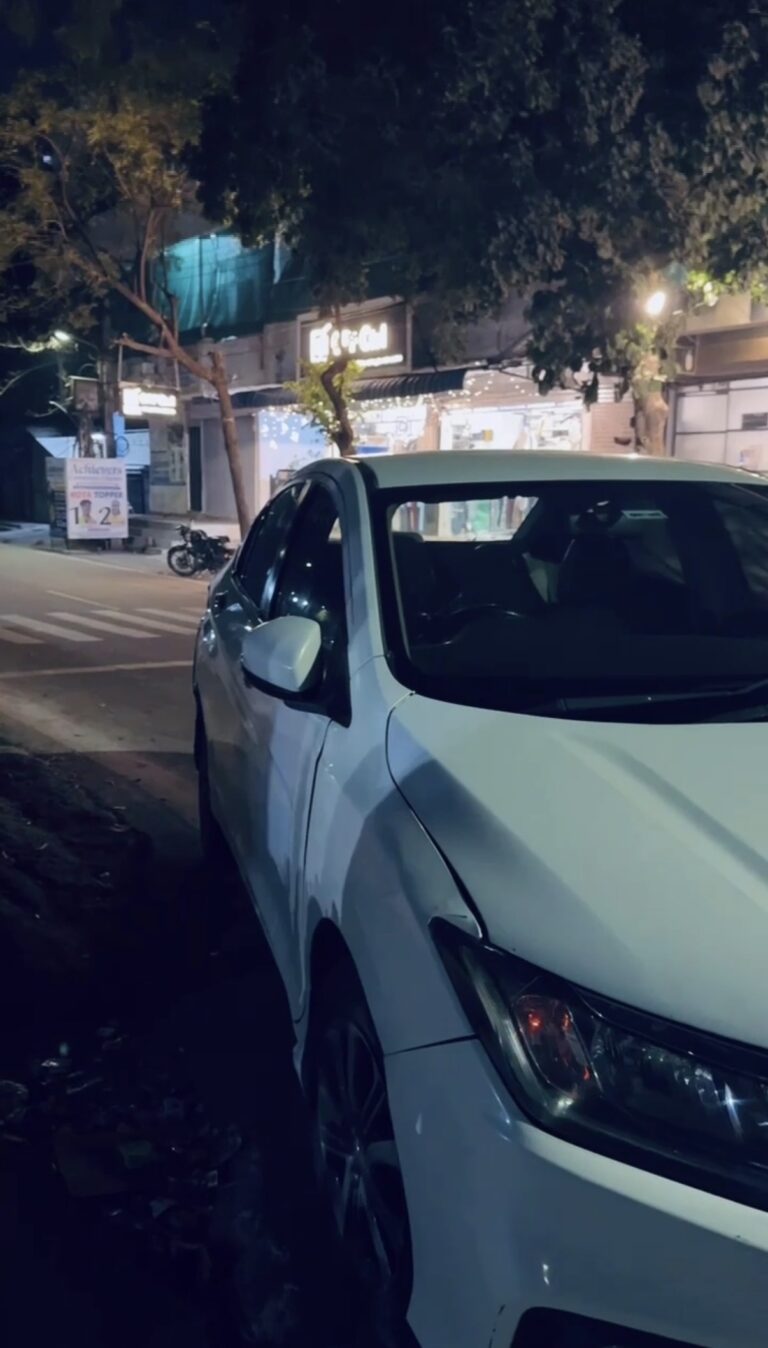
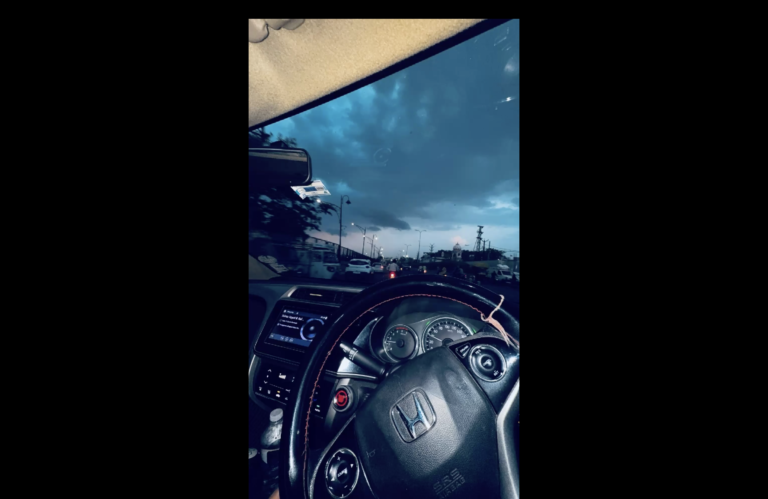
After years of driving Kota’s city roads daily — my honest assessment is that the Honda City handles urban Kota better than any other car in our family’s fleet. Its compact dimensions, excellent visibility, light and direct steering, and cabin that genuinely seals out Rajasthan’s dust make it the most comfortable and least tiring city car I have driven here.
Kota to Jaipur — The Highway That Tests Everything
The Kota to Jaipur route on NH52 is one of Rajasthan’s most important and most frequently driven highways. It is the road that connects Kota to the state capital and it carries an enormous volume of traffic — trucks, buses, private cars, and two-wheelers all sharing the same stretched tarmac.
This highway has a split personality. At its best — particularly on the recently upgraded stretches — it is smooth, wide, and genuinely enjoyable for high speed cruising. At its worst it is a test of your car’s suspension, your patience, and your ability to anticipate road surface changes at speed.
What I have learned from driving this route repeatedly in different cars:
Suspension quality matters enormously. The difference between a car with well-tuned suspension and one with cheap, poorly calibrated dampers is immediately and viscerally apparent on this highway. The Toyota Innova Crysta absorbs the surface changes on this route in a way that makes long distance travel genuinely comfortable. The body movements are controlled, the impacts are absorbed before they reach the cabin, and after three hours of driving you arrive at your destination feeling significantly less fatigued than you would in a lesser car.
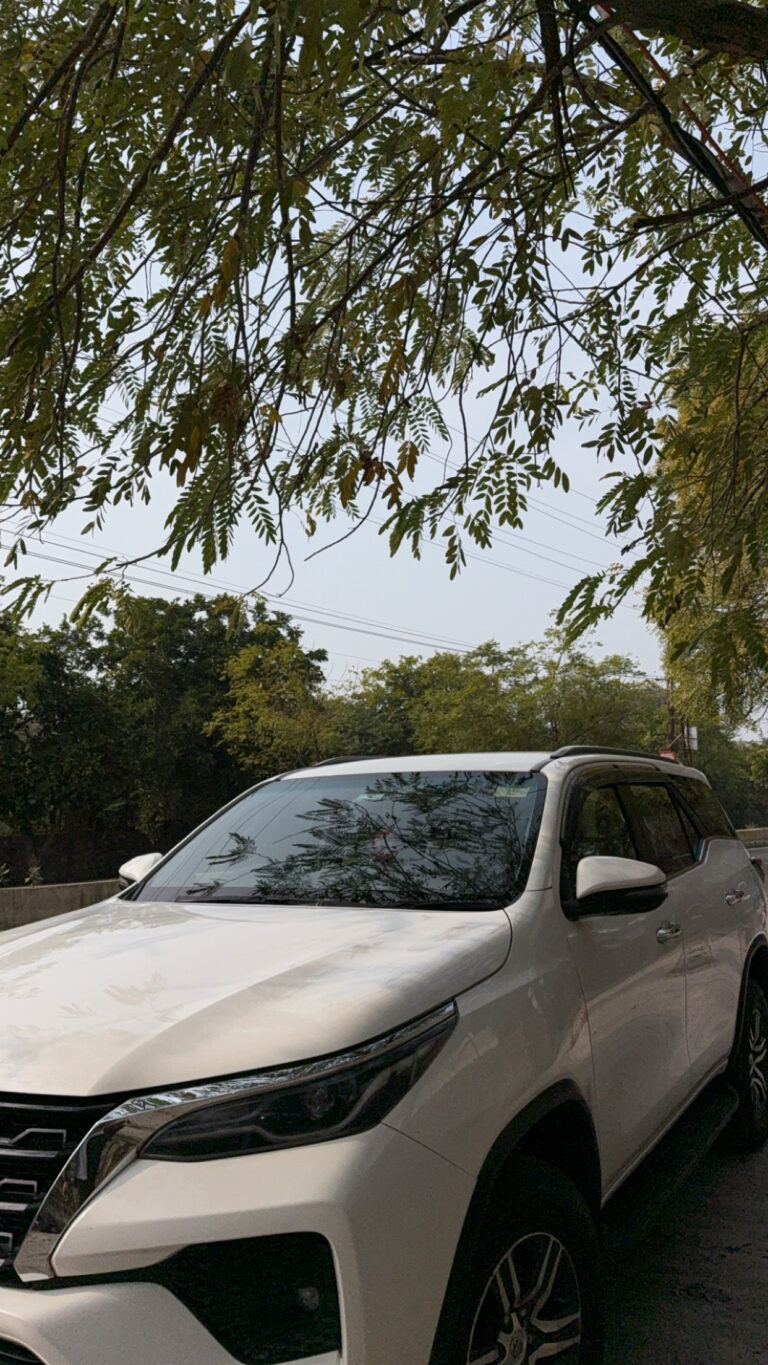
Highway stability at speed — trucks create significant air turbulence when you overtake them on this highway. Larger, heavier, more aerodynamically stable vehicles handle this turbulence with composure. The Fortuner and Innova Crysta in our fleet are completely unaffected by truck turbulence at highway speeds. Smaller, lighter cars require more steering correction.
Engine refinement over distance — on a 3-plus hour drive the difference between a refined, smooth engine and a harsh, noisy one becomes genuinely significant. The Honda City’s 1.5-litre petrol is extraordinary in this regard — after three hours on the Kota-Jaipur highway the engine note is still smooth and unobtrusive. You arrive relaxed rather than drained.
Kota to Udaipur — The Route That Tested Everything
If you want to know which car is genuinely built to handle Rajasthan’s most challenging road conditions — drive the Kota to Udaipur route during a period of active road construction and diversion.
I have driven this route when the diversions were multiplying, the road surface in stretches had essentially ceased to exist, and navigation required constant attention and constant adaptation. It is genuinely one of the most demanding driving experiences I have had in Rajasthan — and I have driven this state’s roads for years.
The bumps on certain stretches of this route are not speed breakers. They are geological events. The kind of surface irregularities that make you genuinely concerned about your car’s structural integrity if you hit them at the wrong speed.
On this route — in these conditions — one car in our family’s fleet stood completely apart from everything else.
The Toyota Innova Crysta.
The Accident That Proved Everything
I want to tell you something that happened to me that no amount of safety rating data or crash test scores can communicate as powerfully as lived experience.
Some time ago I was involved in an accident in our Toyota Innova Crysta. The impact was significant. The front of the car — headlights, bumper, panels, everything visible from the front — was extensively damaged. The kind of damage that, looking at it afterwards, makes you understand how serious the impact was.
I walked away without injury.
Not a scratch. Not a bruise. Nothing.
I have thought about that moment many times since. About what it means when a car absorbs that kind of impact and delivers its occupant out the other side completely unharmed. About the engineering decisions, the structural philosophy, and the decades of refinement that go into building a vehicle capable of doing that.
Toyota built something with the Innova Crysta that goes beyond specifications. They built a vehicle that when everything went wrong — kept me safe. That is not something I can put a number on. That is not something any comparison table can capture.
After that experience — my respect for Toyota’s engineering and my trust in the Innova Crysta became absolute. This is not brand loyalty. This is evidence.
Smaller Town Roads — The Real Test
Rajasthan’s smaller town roads — the roads connecting Kota to surrounding towns, the roads through smaller districts, the roads that most automotive reviewers never drive because they are not on the press event route — these are where a car’s true character reveals itself.
These roads demand ground clearance — real ground clearance, not the manufacturer’s claimed figure measured under ideal conditions. They demand suspension that can absorb genuinely unpredictable surface changes without bottoming out or losing composure. They demand a powertrain that delivers usable torque at low speeds for the constant acceleration and deceleration that these roads require.
On these roads the hierarchy in our family’s fleet is clear.
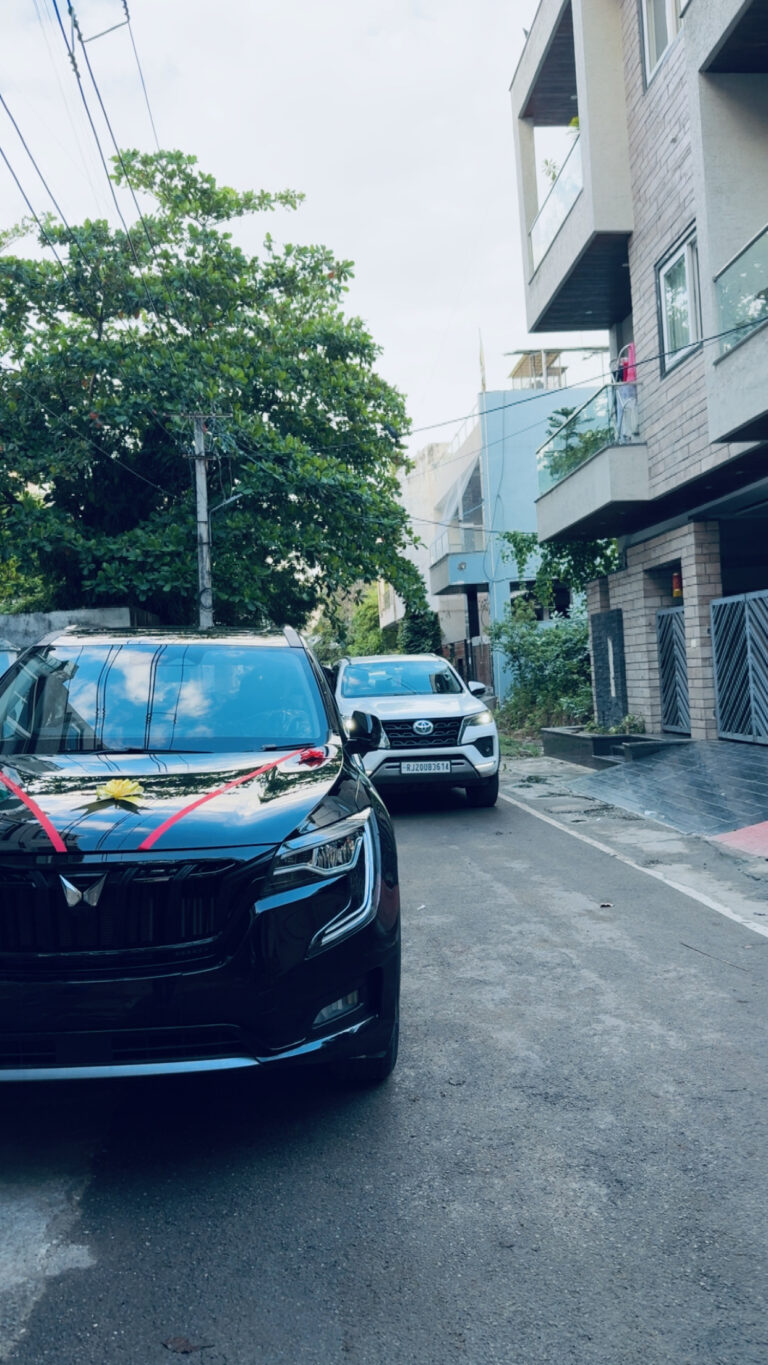
The Innova Crysta handles them with the most composure — its suspension tuned perfectly for exactly this kind of surface. The Fortuner handles them with brute capability — its higher ride height and robust construction simply absorbing whatever the road produces. The XUV700 handles them impressively for its size. The Seltos and Creta handle them adequately — good but clearly designed primarily for smoother surfaces. The Honda City handles them with surprising competence given its lower ride height — Honda’s suspension tuning is genuinely excellent.
What Rajasthan Roads Have Taught Me About Choosing a Car
Years of driving Rajasthan’s roads — city, highway, construction diversions, and smaller town routes — have given me a perspective on car buying that I believe is genuinely useful for anyone living in this state.
Ground clearance is not optional in Rajasthan. Do not buy a car with less than 185mm of ground clearance if you regularly drive outside major city centres. You will regret it.
AC performance is a primary purchase criterion here. Not a secondary feature. Not a nice to have. A primary criterion. In 45-degree Kota summers — your car’s AC system is as important as its engine.
Suspension quality over performance figures. A car that rides smoothly on Rajasthan’s mixed surfaces will make you happier every single day than a car that has impressive 0-100 numbers but crashes over every broken stretch.
Reliability over features. When something goes wrong on a smaller road 50 kilometres from the nearest service centre — you want a car that simply does not break down. In my experience nothing in the Indian market matches Toyota’s reliability record for this specific requirement.
But city driving still matters. Most of your kilometres will be in the city. A car that handles highways and rough roads brilliantly but is exhausting to drive in city traffic will wear you down over time. The ideal Rajasthan car balances both — and in our family’s fleet the Honda City comes closest to that balance for everyday use.
The Honest Rajasthan Car Recommendation
If someone came to me today and said — I live in Kota, I drive city roads daily, I do the Jaipur highway regularly, and I occasionally need to handle smaller town roads — what should I buy?
My answer would depend on budget. But across every budget my recommendations would share common characteristics — good ground clearance, excellent AC performance, proven reliability, and suspension tuned for mixed Indian surfaces rather than just smooth tarmac.
For families — the Toyota Innova Crysta remains my most confident recommendation for Rajasthan use. The accident I described earlier is not something I share lightly. It is the most honest testimony I can give about what this car means when conditions become serious.
For individual buyers — the Honda City remains my personal choice. Four years and 2,30,000 kilometres on Rajasthan’s roads have proven to me that Honda’s engineering translates beautifully to real world Indian conditions. It is not the biggest, not the most powerful, and not the most feature-loaded car available at its price. But it is the one I trust completely — in the city, on the highway, and in the moments that matter most.
Rajasthan’s roads will test your car. Make sure your car is ready.
— Pulkit Trigunayat Founder, Motor Mogul Kota, Rajasthan