Hyundai Tucson 2026 Facelift — India’s Most Underrated Premium SUV Returns
The Hyundai Tucson is making a comeback in India — and it is arriving better than ever. After being quietly discontinued in late 2025 the new generation Tucson returns in June 2026 with a significant facelift that addresses every major criticism of the outgoing model. Twin 12.3 inch screens, Level 2 ADAS as standard, powered front seats, a redesigned cabin, and the same class-leading ride quality that made the original Tucson a respected choice among India’s premium SUV buyers. The expected price is ₹29 to ₹36 lakh ex-showroom — positioning it as one of the most compelling premium 5-seater SUVs available in India today. Here is the complete breakdown.
Why the Tucson Matters in India’s SUV Market
The Hyundai Tucson occupies a position in India’s SUV market that no other car quite fills. It is larger and more premium than the Hyundai Creta but more practical and better value than the Jeep Meridian or Toyota Fortuner. It targets a specific buyer — someone who wants a genuine premium midsize SUV experience with a focus on ride comfort, refinement, and everyday luxury without paying full-size SUV money or managing a 7-seat vehicle they do not need.
This is a meaningful segment in India in 2026. As Indian buyers become more sophisticated and more willing to spend on premium experiences — the appetite for well-rounded 5-seat premium SUVs is growing. The Tucson’s return addresses this demand with a significantly updated product that feels genuinely contemporary rather than the slightly dated experience the outgoing model had become.
Design — Refreshed and More Premium
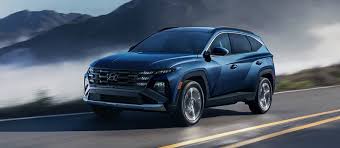
The 2026 Tucson facelift receives a comprehensive exterior refresh that modernises the car’s appearance while retaining its distinctive bold character.
The front fascia gets the most attention — a redesigned parametric grille that is wider and more prominent than before, new LED headlamp clusters with a fresh internal graphic, and revised front bumper with larger lower air intakes. The result is a front end that looks more assertive and more premium than the outgoing model — communicating its positioning in India’s market more clearly.
The rear receives updated LED tail lamp graphics and a revised bumper that ties the design together cleanly. New alloy wheel designs across all variants complete the exterior refresh. The 2026 Tucson’s overall proportions remain unchanged — it is a well-sized, well-proportioned midsize SUV that looks appropriate and premium without being aggressive or polarising.
Interior — The Biggest Upgrade
The 2026 Tucson’s interior receives the most significant changes of the entire facelift — and they are genuinely impactful improvements that transform the cabin experience.
The centrepiece of the updated interior is the twin 12.3 inch display setup — a large digital instrument cluster paired with a 12.3 inch infotainment touchscreen seamlessly integrated across the dashboard. This dual screen setup brings the Tucson in line with the Hyundai Creta’s acclaimed display arrangement while the larger screens give it a premium feel that befits its higher positioning in Hyundai’s lineup.
The gear lever has been repositioned from the centre console to the steering column — a bold change that creates a significantly cleaner, more spacious centre console. This frees up meaningful storage space between the front seats and gives the cabin a more modern, less cluttered feel that contributes to the overall sense of premium quality.
The dashboard design is completely new — a three-spoke steering wheel, revised instrument panel, and updated air vent placement create a cabin that feels genuinely fresh and contemporary. The AC console has been redesigned with a new interface that is cleaner and more intuitive than before.
Full interior features:
- Twin 12.3 inch screens — instrument cluster and infotainment
- New three-spoke steering wheel with integrated controls
- 6-way powered front seats — standard across variants
- Ventilated front seats on higher variants
- Panoramic sunroof
- Wireless Apple CarPlay and Android Auto
- Wireless charging
- Ambient lighting
- Premium audio system
- Connected car technology suite
The 6-way powered front seat adjustment as standard across all variants is a meaningful everyday upgrade — making the Tucson genuinely more premium in daily use than most rivals at this price point.
Engine Options — Petrol and Diesel
The 2026 Tucson continues with two proven and well-matched powertrain options that between them cover every type of Indian buyer’s requirements.
| Specification | 2.0L Petrol | 2.0L Diesel |
|---|---|---|
| Power | 156 bhp | 186 bhp |
| Torque | 192 Nm | 416 Nm |
| Gearbox | 8-speed Automatic | 8-speed Automatic |
| Drivetrain | FWD | FWD / AWD |
The 2.0-litre naturally aspirated petrol is the more affordable entry point — smooth, refined, and adequate for city and moderate highway use. At 156 bhp it delivers competent performance without being exciting. The 8-speed automatic gearbox makes city driving relaxed and effortless.
The 2.0-litre diesel is the more compelling choice for most Indian buyers — particularly for Rajasthan where long highway distances are a regular reality. At 186 bhp and an extraordinary 416 Nm of torque — the diesel Tucson is genuinely effortless on the highway. That torque figure means overtaking feels almost casual at highway speeds — a gentle press of the accelerator and the Tucson surges past trucks and slower traffic with a confidence and composure that immediately communicates its premium engineering.
The diesel is also available with AWD on top variants — giving buyers who occasionally venture off the main highway genuine all-weather and light off-road capability that the petrol FWD variants cannot match.
Level 2 ADAS — Now Standard
One of the most significant improvements in the 2026 Tucson facelift is the addition of Level 2 ADAS as standard on petrol and diesel automatic variants — addressing a key gap in the outgoing model that was increasingly noticeable as rivals began offering similar technology.
Full ADAS suite:
- Adaptive Cruise Control with Stop and Go
- Lane Keep Assist
- Blind Spot Collision Warning
- Rear Cross Traffic Alert
- Automatic Emergency Braking
- Forward Collision Warning
- Driver Attention Warning
This comprehensive ADAS suite brings the Tucson in line with newer rivals like the Mahindra XUV 7XO and Volkswagen Tayron — ensuring that buyers choosing the Tucson for its premium credentials are not compromising on the latest safety technology.
Ride Quality — The Tucson’s Greatest Strength
If there is one area where the Hyundai Tucson genuinely excels above every rival in its price segment — it is ride quality. This has always been the Tucson’s most celebrated attribute and the 2026 facelift retains it completely.
The independent suspension at both ends — a double wishbone front and multi-link rear setup — delivers a ride quality that feels genuinely premium on Indian roads. It absorbs potholes, broken surfaces, and speed breakers with a composure and sophistication that makes the daily reality of driving on mixed Indian road surfaces significantly more pleasant than most rivals at this price.
The Tucson does not crash over imperfections or transmit harsh impacts to the cabin. It absorbs them — quietly, smoothly, and without drama. The result is a car that feels significantly more expensive than its price tag when experienced on India’s varied road surfaces. This quality — often called ride refinement — is something that numbers on a spec sheet cannot capture but every passenger notices immediately.
At highway speeds the Tucson is equally impressive — stable, quiet, and completely unruffled by the surface variations and truck turbulence that Indian highways regularly produce.
Safety — 5-Star BNCAP
The current Tucson petrol variants achieved a 5-star Bharat NCAP rating — one of the highest scores in its segment. The 2026 facelift builds on this foundation with the addition of the comprehensive Level 2 ADAS suite.
Safety equipment:
- 6 airbags standard
- 5-star Bharat NCAP rating
- Level 2 ADAS suite — full package
- 360-degree camera
- Electronic Stability Control
- Hill Start Assist
- Tyre Pressure Monitoring System
The combination of 5-star BNCAP crash safety and Level 2 ADAS active safety makes the 2026 Tucson one of the most comprehensively safe midsize SUVs available in India at any price.
Expected Price
| Variant | Expected Price |
|---|---|
| 2.0L Petrol AT | ₹29.00 lakh |
| 2.0L Diesel AT FWD | ₹33.00 lakh |
| 2.0L Diesel AT AWD | ₹36.00 lakh |
At ₹29 to ₹36 lakh the Tucson facelift is positioned competitively — significantly more affordable than the Volkswagen Tayron at ₹46.99 lakh while offering a more premium and refined experience than the Jeep Meridian starting at ₹23.33 lakh.
Hyundai Tucson vs Key Rivals
| Parameter | Tucson 2026 | Jeep Meridian | VW Tayron | Mahindra XUV 7XO |
|---|---|---|---|---|
| Price | ₹29–36L | ₹23–37L | ₹46.99L | ₹21–26L |
| Engine | 2.0L Petrol/Diesel | 2.0L Diesel | 2.0L Turbo Petrol | 2.0L Turbo Petrol |
| Seating | 5 | 7 | 5 | 5/7 |
| ADAS | Level 2 | Basic | Level 2 | Level 2 |
| Ride Quality | Best in class | Good | Good | Good |
| NCAP | 5-star BNCAP | Not tested | Not tested | Not tested |
The Tucson’s advantages over every rival here are its class-leading ride quality, 5-star BNCAP safety rating, and the combination of diesel torque with premium refinement that no rival at this price fully replicates.
Who Should Buy the Hyundai Tucson 2026?
Buy the Tucson if:
- Ride comfort and refinement are your top priorities in a premium SUV
- You want a 5-seat premium SUV without 7-seat bulk
- The diesel’s 416 Nm torque for highway driving appeals strongly
- Budget is ₹29 to ₹36 lakh and you want the most refined everyday experience
- 5-star BNCAP safety and Level 2 ADAS are important
Consider alternatives if:
- You need 7 seats — consider Jeep Meridian or Mahindra XUV 7XO
- Performance is the priority — Volkswagen Tayron’s turbo petrol is quicker
- Budget is tighter — Mahindra XUV 7XO offers more at a lower price
Motor Mogul’s Take
The Hyundai Tucson has always occupied an interesting position in India’s SUV market — premium enough to feel special but practical enough to justify daily use. As someone whose family owns a Hyundai Creta and has extensive experience with Hyundai’s engineering and after sales network in Kota — I have strong opinions about what the Tucson represents and who should buy it.
The Tucson’s most underappreciated quality is its ride comfort. In a market obsessed with horsepower figures, touchscreen sizes, and feature lists — the Tucson quietly delivers something more valuable for Indian road conditions than any of those things. It delivers genuine premium ride quality that makes the daily reality of driving on mixed Indian surfaces — smooth highways, broken town roads, aggressive speed breakers — significantly more comfortable than most rivals at this price.
Our family’s Toyota Fortuner is our benchmark for highway ride comfort at higher price points. The Tucson — at nearly half the Fortuner’s price — delivers a ride quality that genuinely challenges that benchmark on smooth highway surfaces. That is a remarkable achievement for a car in the ₹29 to ₹36 lakh bracket.
The 2026 facelift’s addition of twin 12.3 inch screens and Level 2 ADAS addresses the two most significant criticisms of the outgoing model. The previous Tucson felt slightly behind the times on technology despite its excellent fundamentals. The facelift fixes this convincingly — bringing the cabin technology in line with newer rivals while retaining everything that made the original Tucson genuinely good.
The diesel variant is the one I would recommend without hesitation for Rajasthan buyers. The 2.0 litre diesel’s 416 Nm of torque makes it effortless on the Kota to Jaipur highway — the kind of relaxed, confident cruising that makes 3 hour drives feel like 1 hour drives. In Rajasthan where long highway distances are a regular reality for most families — that torque advantage is not just a number. It is a daily quality of life difference.
At ₹29 to ₹36 lakh the Tucson facelift is genuinely compelling for buyers who want a premium 5 seater without the size and running costs of a full 7 seat SUV. If you do not need 7 seats and want the most premium everyday driving experience under ₹36 lakh in India — the Tucson deserves to be at the top of your consideration list.
Final Verdict
The Hyundai Tucson 2026 facelift is a meaningful and well-executed update to one of India’s most underrated premium SUVs. Class-leading ride quality, twin 12.3 inch screens, Level 2 ADAS, 186 bhp diesel with 416 Nm, 5-star BNCAP safety, and powered front seats — all at ₹29 to ₹36 lakh. For buyers who want a genuine premium 5-seat SUV experience without 7-seat bulk or full-size SUV running costs — the Tucson facelift is the most complete answer in its segment in India in 2026.
External source: Autocar India — Hyundai Tucson 2026 Facelift India → https://www.autocarindia.com/cars/hyundai/tucson
For related content visit: https://motormogul.in