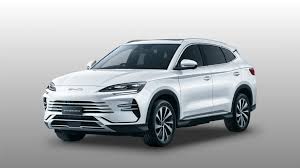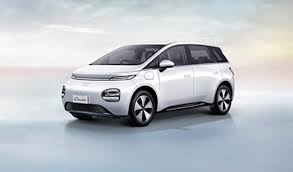

Upcoming Electric Cars in India 2026-2027 — Every EV You Need to Know About
Upcoming Electric Cars in India 2026-2027 — Every EV You Need to Know About
India’s electric vehicle revolution is accelerating faster than anyone predicted. India’s electric vehicle market surges forward into 2026 with manufacturers targeting mass-market segments amid falling battery costs and expanding charging infrastructure. Compact SUVs and affordable people-movers dominate the confirmed launches, promising ranges over 400 km and prices under ₹25 lakh. Carbike360
If you are planning to buy an electric car in the next 12 to 18 months, this is the most important article you will read. We have tracked every confirmed and expected EV launch in India through 2026 and 2027, with real prices, real specs, and honest buying advice for each one.
Why 2026-2027 Is the Most Exciting Period for Indian EV Buyers
The previous year brought seven all-new electric powerhouses from different manufacturers. Now India is poised to see nine new EVs in 2026 alone. Government incentives and localisation pushes make 2026 pivotal as homegrown giants like Tata, Maruti, and Mahindra clash with global entrants. Autocar India
Most electric cars expected in 2026 fall within a wide range from around ₹10 lakh for compact EVs to about ₹60 lakh for premium electric SUVs. This means there is now genuinely an electric option for nearly every Indian buyer regardless of budget. Bajaj Finserv
1. Toyota Urban Cruiser Ebella — Expected Mid 2026
Expected Price: ₹18 lakh to ₹25 lakh
The Toyota Urban Cruiser EV differentiates itself from the Maruti e-Vitara by having a Prius-like headlight signature, subtle tweaks to the rear, and unique interior trim. The battery and motor options are expected to be shared with the Maruti e-Vitara — namely the 49 kWh and 61 kWh packs. Autocar India
Toyota’s legendary reliability reputation applied to an electric SUV at this price point is a compelling proposition. If the Ebella delivers Toyota’s typical ownership experience — minimal issues, strong resale value, extensive service network — it will be one of the safest EV choices in India. The 61 kWh battery is expected to deliver over 400 km real-world range which eliminates range anxiety for most buyers completely.
Who should wait for it: Buyers who prioritise reliability and resale value above everything else. Toyota owners who want to go electric without switching brands.
2. Tata Sierra EV — Expected Mid 2026
Expected Price: ₹17 lakh to ₹25 lakh
The Tata Sierra is one of the most emotionally charged nameplates in Indian automotive history. Bringing it back as an electric SUV is a bold and exciting move by Tata Motors. The Sierra EV is built on Tata’s Gen 2 electric platform and is expected to offer impressive range figures alongside the distinctive three-door design language that made the original Sierra iconic.
Retro-modern design hides advanced safety and Gen 3 architecture perks like faster charging. Sanand production ensures quick volumes for lifestyle SUV fans. Carbike360
For buyers who want an electric SUV with genuine character and a story behind it — not just another anonymous crossover — the Sierra EV will be worth the wait.
Who should wait for it: Nostalgia-driven buyers, lifestyle SUV enthusiasts, anyone who wants an electric car that genuinely stands out from the crowd.
3. Kia Syros EV — Expected Q2 2026
Expected Price: ₹15 lakh to ₹20 lakh
Kia unleashes the Syros EV in Q2 2026 on the K1 platform, rivalling the Tata Punch EV. The base variant is expected to be equipped with a 42 kWh battery while the top-spec model will be powered by a 49 kWh battery, claiming around 300 to 355 km WLTP range. Stylish exteriors, ADAS, and connected features from the global Inster EV cousin boost appeal. Autocar India
When it arrives, the Kia Syros EV will go up against the likes of the Tata Nexon EV and MG Windsor. Kia’s strong feature-loading at competitive prices — already demonstrated by the petrol Syros — makes this one of the most anticipated EVs in the mid-range segment. Autocar India
Who should wait for it: Buyers currently considering the Nexon EV or Windsor EV who want to see if Kia offers better value before committing.
4. Skoda Elroq — Expected Second Half 2026
Expected Price: ₹40 lakh to ₹50 lakh
Skoda India is weighing which EV to bring to India, and the Elroq feels like the more logical choice. It has been showcased at the Auto Expo and could take on entry-level luxury EVs like the Hyundai Ioniq 5 and BMW iX1 LWB. The Elroq AWD claims a 0 to 100 kmph time of 6.6 seconds and 560 km range. Autocar India
The Elroq brings proper European electric performance to a price point that undercuts most German luxury EVs significantly. If Skoda prices it aggressively — which they have historically done in India — it could disrupt the premium EV segment significantly.
Who should wait for it: Premium EV buyers who find the Ioniq 5 or BMW iX1 too expensive but want proper European EV quality.
5. Tata Avinya — Expected Late 2026
Expected Price: ₹30 lakh to ₹40 lakh
Tata has announced that the first model from its premium electric car brand Avinya will arrive before the end of 2026. The new EV will be the first to use Tata’s Gen 3 skateboard born-electric platform and will be positioned above the Harrier EV. Autocar India
The Avinya represents Tata’s ambition to compete with global premium EV brands on Indian soil. The Gen 3 platform promises significantly longer range, faster charging, and a more premium ownership experience than current Tata EVs. This is the EV that Tata hopes will take on the Model Y and Ioniq 5 directly.
Who should wait for it: Premium EV buyers who trust Tata’s commitment to safety and want a homegrown alternative to expensive imported EVs.
6. Maruti Suzuki YMC Electric MPV — Expected 2026-2027
Expected Price: ₹20 lakh to ₹25 lakh
Maruti’s second EV will be an MPV based on the e-Vitara’s platform. It is expected to share the 49 kWh and 61 kWh battery options and will be positioned above the Ertiga and XL6, taking on the Kia Carens Clavis EV. Autocar India
An electric MPV from Maruti at this price point would be a genuinely unique proposition in India. Families who need 6 to 7 seats with low running costs have very limited electric options currently. The Maruti YMC could change that completely.
Who should wait for it: Large families currently using petrol MPVs who want to switch to electric without compromising on seating capacity.
7. Tata Punch EV Facelift — Expected Late 2026
Expected Price: ₹10 lakh to ₹14 lakh
The Tata Punch EV is already one of the most affordable electric cars in India. The facelift is expected to offer 25 kWh and 35 kWh battery configurations with prices likely ranging from ₹9.99 lakh to ₹14.4 lakh. Carbike360
If you are currently considering the existing Punch EV and your purchase is not urgent, waiting for the facelift makes sense. The updated version will likely bring improved range, a refreshed interior, and potentially better charging speeds.
Who should wait for it: First-time EV buyers on a tight budget who want the most affordable proper electric car in India.
8. Hyundai Inster EV — Expected 2026
Expected Price: ₹10 lakh to ₹14 lakh
Upcoming electric cars in India in 2026 include the Hyundai Inster among the most anticipated launches. The Inster is Hyundai’s global entry-level EV and bringing it to India at an aggressive price point would give the company a strong competitor to the Tata Punch EV in the affordable electric segment. CarDekho
Hyundai’s strong service network and reputation for feature-loaded vehicles at competitive prices makes the Inster one to watch closely.
Who should wait for it: Buyers who prefer Hyundai’s brand and service network but want an affordable electric option.
Complete Upcoming EV Calendar 2026-2027
| Car | Expected Launch | Expected Price |
|---|---|---|
| Kia Syros EV | Q2 2026 | ₹15-20 lakh |
| Toyota Urban Cruiser Ebella | Mid 2026 | ₹18-25 lakh |
| Tata Sierra EV | Mid 2026 | ₹17-25 lakh |
| Hyundai Inster | Mid 2026 | ₹10-14 lakh |
| Tata Punch EV Facelift | Late 2026 | ₹10-14 lakh |
| Skoda Elroq | H2 2026 | ₹40-50 lakh |
| Tata Avinya | Late 2026 | ₹30-40 lakh |
| Maruti YMC Electric MPV | 2026-2027 | ₹20-25 lakh |
Should You Buy Now or Wait?
This is the most practical question every EV buyer asks. Here is the honest answer:
Buy now if you need a car immediately and the currently available options — Nexon EV, Creta EV, Windsor EV, BE 6 — meet your requirements. Waiting indefinitely means always missing out as new launches keep coming.
Wait if a specific upcoming model like the Sierra EV or Syros EV aligns perfectly with your needs and your timeline allows for a 3 to 6 month wait. The new launches will bring better technology and potentially more competitive pricing that pushes current models to offer discounts.
The golden rule: Never wait more than 6 months for an upcoming car. Launch timelines in India always get delayed.
Final Word
India’s EV market in 2026 and 2027 is set to be transformed. From affordable sub-₹15 lakh electric hatchbacks to premium ₹50 lakh electric SUVs, the choice available to Indian buyers has never been wider. The charging infrastructure is expanding, battery costs are falling, and every major manufacturer is now fully committed to electric mobility in India.
The question is no longer whether to go electric. The question is simply — which one and when.
Also read: Best Electric Cars Under ₹20 Lakh in India 2026 and Mahindra BE 6 vs Tata Nexon EV — Which EV Should You Buy?
External source: Autocar India — Upcoming EV Launches 2026